

T20I Cricket Has A New Ball, And The Batters Are Not Happy, Which Is The Whole Point
TL;DR
- The ICC has introduced the Kookaburra Pace Pro to restore balance between bat and ball in bilateral T20Is.
- Data confirms a significant drop in average first-innings scores and a rise in wickets taken since its adoption.
- While batters find the new specifications challenging, the change aligns with official goals to curb runaway scoring.
Engineering for Impact: The Pace Pro Mechanics
The transition to the Kookaburra Pace Pro marks a deliberate shift in T20I ball dynamics. After undergoing two years of rigorous testing across domestic circuits in Australia, England, and South Africa, the ICC officially sanctioned the ball for bilateral T20Is earlier this year.
Technically, the Pace Pro differs from its predecessor in two primary ways. It features a much more pronounced seam and a harder internal core. In previous iterations, the match ball often lost its shape and became soft by the eighth over of an innings. This degradation allowed batters to drive through the line with relative ease as the ball stopped carrying to the boundary or biting into the pitch. The Pace Pro is designed to retain its structural integrity for much longer, keeping the seam active and making it harder for hitters to predict its behavior.
Analyzing the Statistical Shift
The impact of this technological change is visible in the numbers. Within just twenty matches featuring the Pace Pro, there has been a measurable decline in scoring trends compared to the two-year period preceding its introduction.
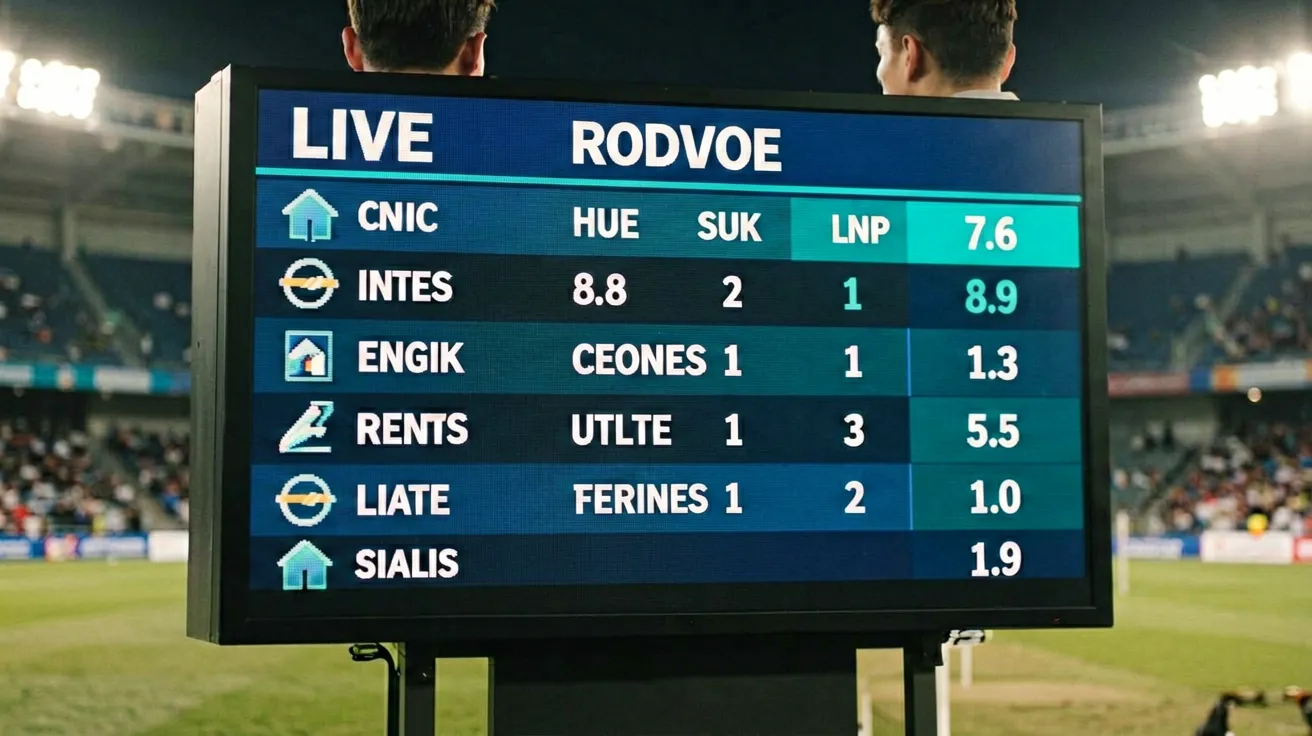
| Metric | Pre-Pace Pro Average | Post-Pace Pro Average (First 20 Matches) | Net Change |
|---|---|---|---|
| First Innings Score | 175 | 161 | -14 Runs |
| Wickets Per Innings | 6.9 | 8.2 | +1.3 Wickets |
A drop of 14 runs might seem minor to a casual spectator, but in the context of T20 cricket, it is substantial. It represents the difference between a comfortable par score and an innings where the chasing team faces immediate pressure from the first delivery. Furthermore, the increase in wickets per innings confirms that bowlers are successfully exploiting the ball’s ability to carry and swing more consistently.
Restoring the Balance of Power
The reaction from the batting community has been largely critical. Players have expressed frustration over the fact that the ball behaves unpredictably. They argue that the pronounced seam makes standard shots, such as the check-drive or the flat-batted punch, higher risk maneuvers. From the batters’ perspective, the ball is doing too much and offering less margin for error.
However, this dissatisfaction is exactly what the ICC intended. The cricket committee noted that during the last few years, T20 scores had escalated to a point where the sport felt like a contest between batting units rather than a balanced competition between bat and ball. By making the game harder for hitters, the ICC aims to prevent the format from becoming one-sided. The goal was never to make life easier for batters but to ensure that bowling remains a viable and challenging discipline in the shortest format of the game.